Burden on American households
According to Trust Economics, since the start of Donald Trump’s second term until early 2026, American families have already been burdened on average with about $1,700, as much of the cost of tariffs is passed on to the final prices of products. Meanwhile, the Tax Foundation estimates that the 2026 tariffs will amount to an additional tax burden of about $700 per American household, while the total additional revenue from tariffs is estimated at $79 billion for the year.New tariffs on dozens of countries
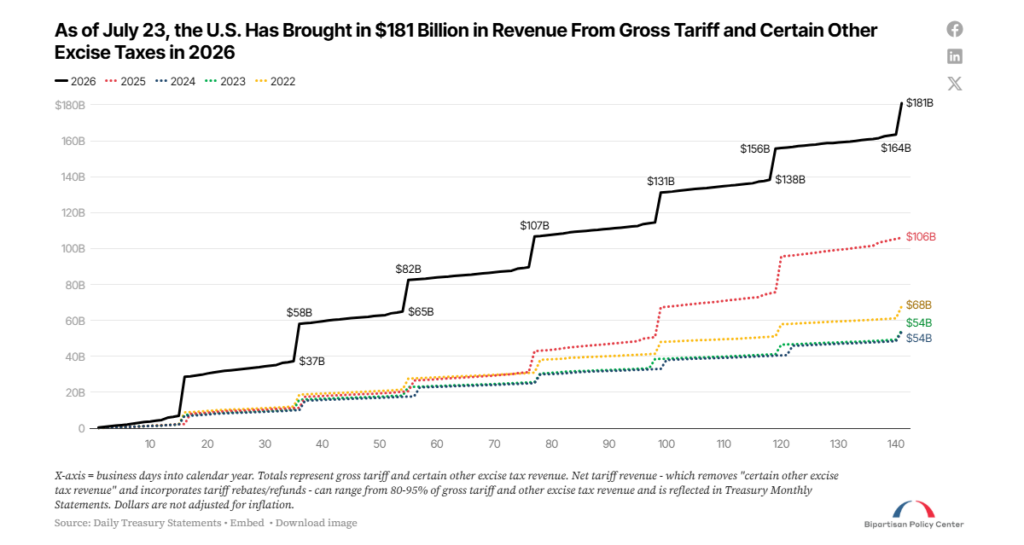
The Trump administration announced a new tariff package covering imports from about 60 countries, with rates ranging between 10% and 12.5%, replacing the previous regime that was invalidated by the US Supreme Court. The new tariffs are applied through Section 301 of the Trade Act of 1974 and concern almost all US imports, with some exceptions for energy products, critical minerals and fertilizers. According to the latest estimates, the new measures are expected to generate approximately $105 billion in annual fiscal revenue, an amount significantly lower than what the government initially estimated when it announced the initial tariff plan.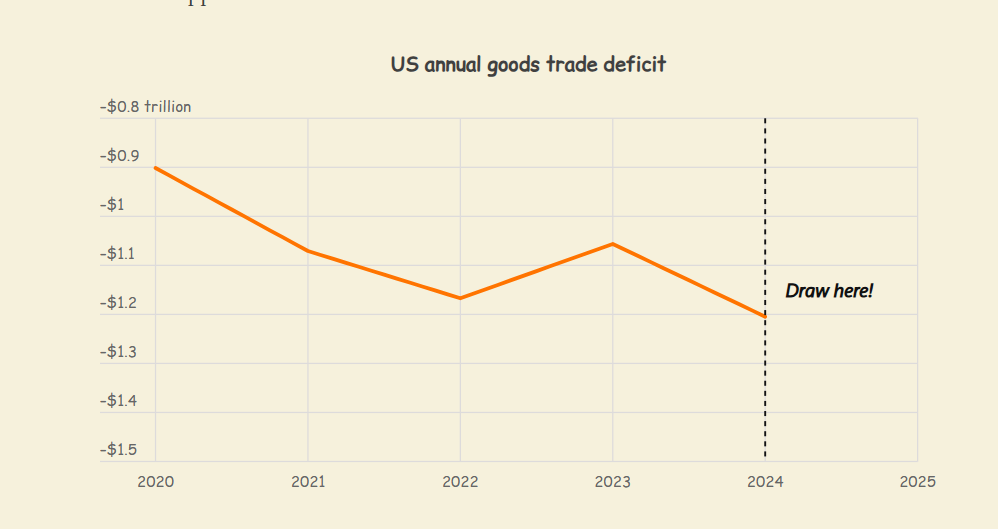
Limited benefits for industry
Despite the administration’s goals of boosting domestic production, several studies conclude that tariffs have not substantially reduced the trade deficit or significantly increased manufacturing employment. Instead, they have increased costs for businesses that depend on imported raw materials and components, while boosting consumer prices. Trust Economics concludes that about 95% of the cost of US tariffs is ultimately borne by American importers and consumers themselves, disproving the argument that foreign exporters bear the brunt.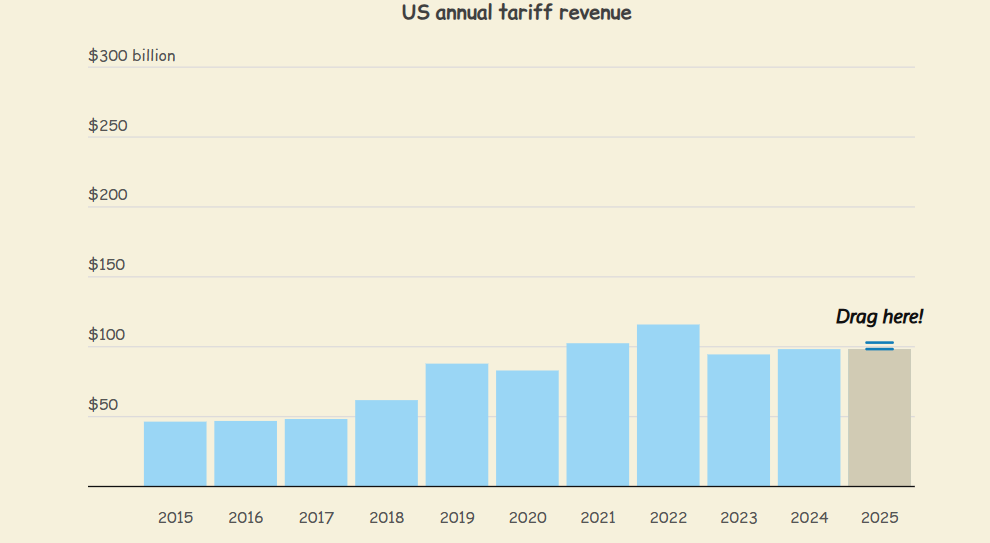
Impact on Growth and Inflation
Trust Economics believes that continued high tariffs could limit the United States’ growth prospects. According to analyses by the Yale Budget Lab and other research organizations, long-term U.S. economic output could decline by 0.4% to 0.6%, while increases in import prices could keep inflation higher for longer. The effects are made even more pronounced by the simultaneous rise in international oil prices due to the conflict in the Middle East, which increases the overall costs of transportation, production, and consumption.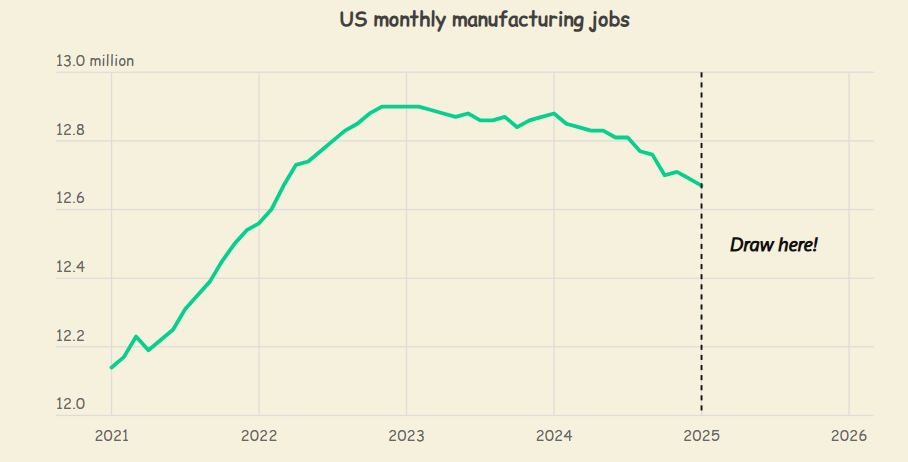
Please follow and like us:
