Global financial markets fell on Sunday, April 12, as S&P 500 futures and Bitcoin fell, while oil prices rose, following US President Donald Trump’s announcement of a naval blockade of the Strait of Hormuz (12/4) aimed at increasing pressure on Iran to reach an agreement.
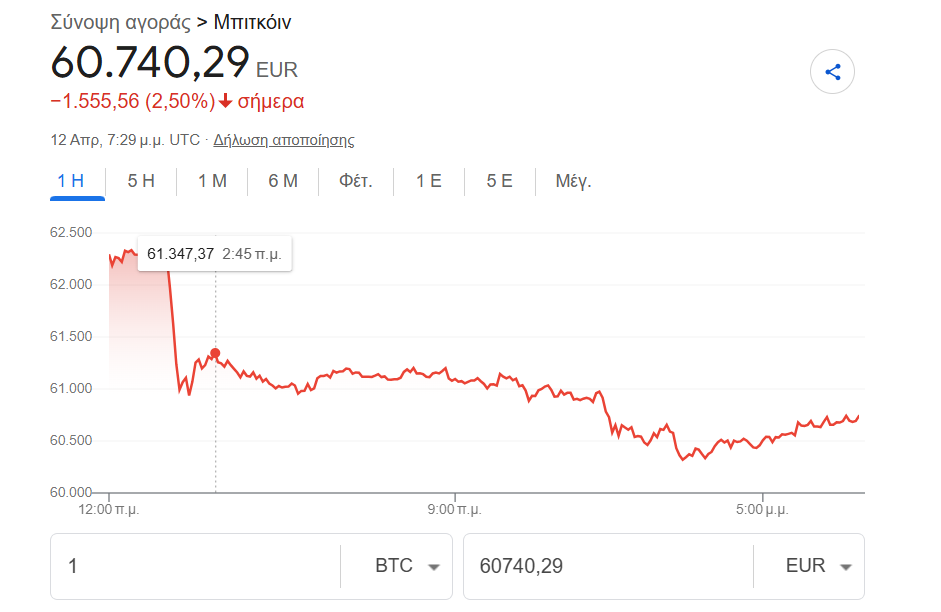
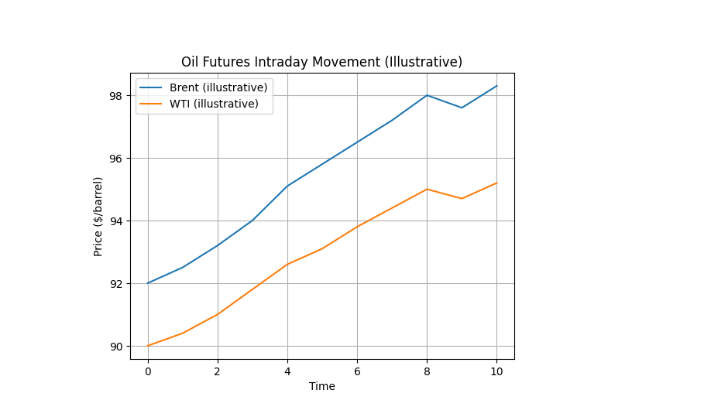
Trump said via Truth Social that the US Navy would immediately begin the process of blocking any ship attempting to enter or exit the Strait. The announcement caused concern in energy and cryptocurrency markets, with Bitcoin falling more than 3% and falling below $72,000. The decline intensified after the failure of US-Iran talks in Pakistan, where Vice President JD Vance said that no agreement was reached, despite “substantial discussions.” He argued that the main disagreement concerns Iran’s ability to develop nuclear weapons in the future. Iranian sources said that no new rounds of talks are planned, although diplomatic processes continue. The developments have added to uncertainty in energy markets, as oil prices have risen on fears of a possible disruption to energy flows through the Strait of Hormuz. Trust Economics warns of the risk of a “full-blown energy crisis,” noting that the failure of the talks is increasing tensions in the region. They estimate that the US options are limited: retreat at political cost, military escalation or extension of the ceasefire for new negotiations. Iran maintains a strong bargaining advantage through control of the Strait of Hormuz, which directly affects global oil prices and economic stability.
US Negotiates from a Position of Weakness
The meeting did not lead to any tangible results, reflecting the fact that the US is not negotiating from a position of strength. The lack of progress risks pushing the global market closer to a full-blown energy crisis.
Iran is in a stronger position and Washington needs to adapt to this.
With the US having not reached an agreement or terms with Iran, it is likely that the strait will remain under its control and that oil prices and, therefore, the prices of gasoline, diesel and jet fuel will continue to rise due to the possible continued disruption of the Strait of Hormuz.
US Negotiates from a Position of Weakness
The meeting did not lead to any tangible results, reflecting the fact that the US is not negotiating from a position of strength. The lack of progress risks pushing the global market closer to a full-blown energy crisis.
Iran is in a stronger position and Washington needs to adapt to this.
With the US having not reached an agreement or terms with Iran, it is likely that the strait will remain under its control and that oil prices and, therefore, the prices of gasoline, diesel and jet fuel will continue to rise due to the possible continued disruption of the Strait of Hormuz.
