Donald Trump’s attempt to expand the dollar system through stablecoins. Trump wants to limit the supply of the dollar and its parity in order to reduce trade deficits while at the same time not wanting the US currency to lose its privileged status as the world’s reserve currency.
This can be successfully done by integrating digital currencies into the dollar system.
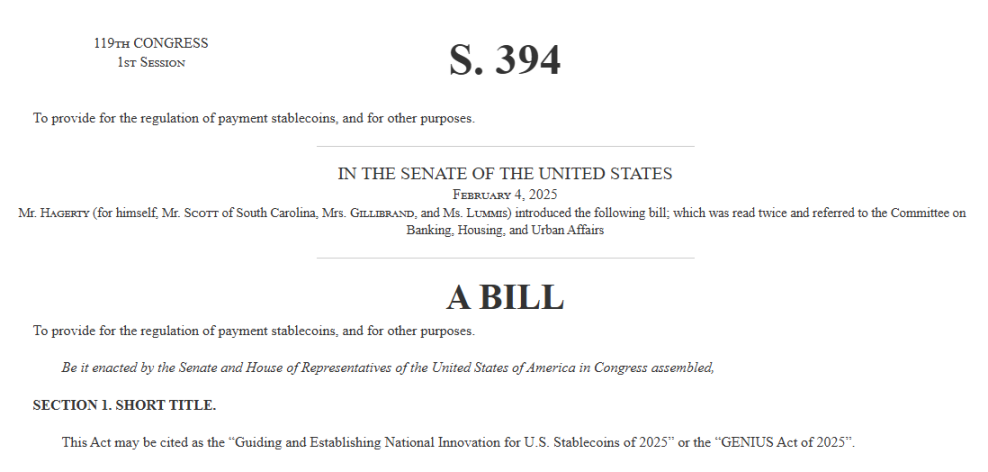
The specter of the GENIUS Act – the stablecoin bill that is headed for passage by the US Congress immediately after President Donald Trump’s executive order on March 6 establishing a strategic reserve of cryptocurrencies. Central bankers are not the only ones who should feel the pressure.
These are two important moves by the US government to introduce digital assets into the real economy. Central bankers have generally until now considered cryptocurrencies a nuisance that, fortunately, did not have the capacity to cause serious disruptions in the monetary systems under their control.
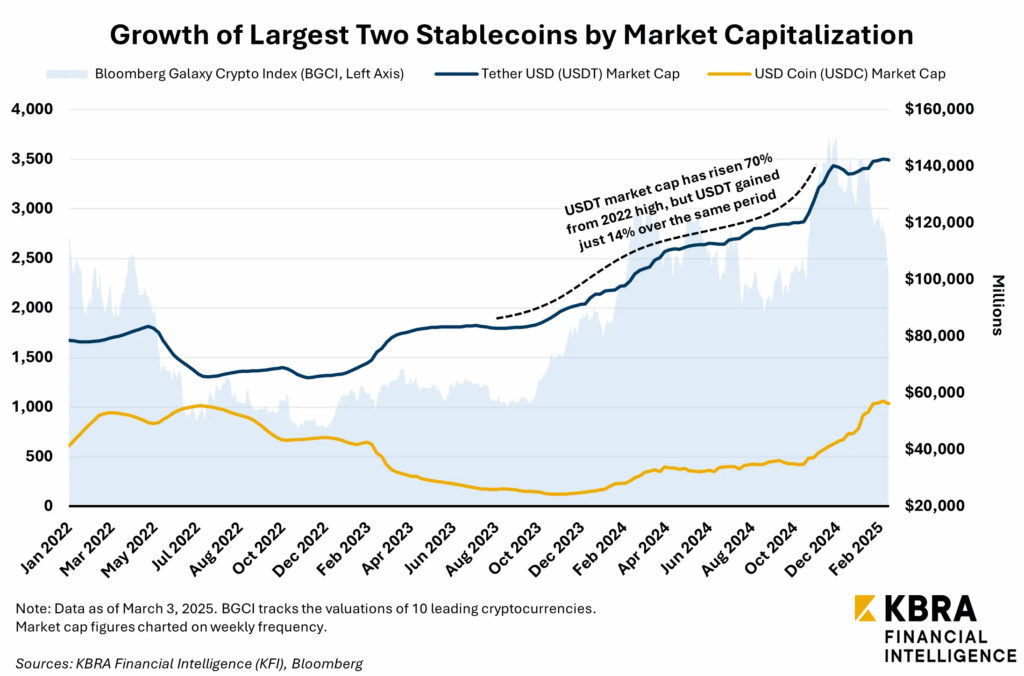
Restructuring the Monetary System
But now they have come to understand that the Trump team will base its policy on cryptocurrencies that will be pegged to the dollar as part of their strategy to restructure the global monetary system.
What has unsettled central bankers this spring was the implications of Trump’s policy: a deliberately chaotic disintegration of the twentieth-century monetary order, under which central banks reigned as the sole architects of the monetary order. While the GENIUS Act allows for private stablecoins, another bill would prohibit the Federal Reserve from issuing a central bank digital currency (CBDC), thus anointing corporate-issued tokens as the “new guardians” of the dollar’s hegemony.
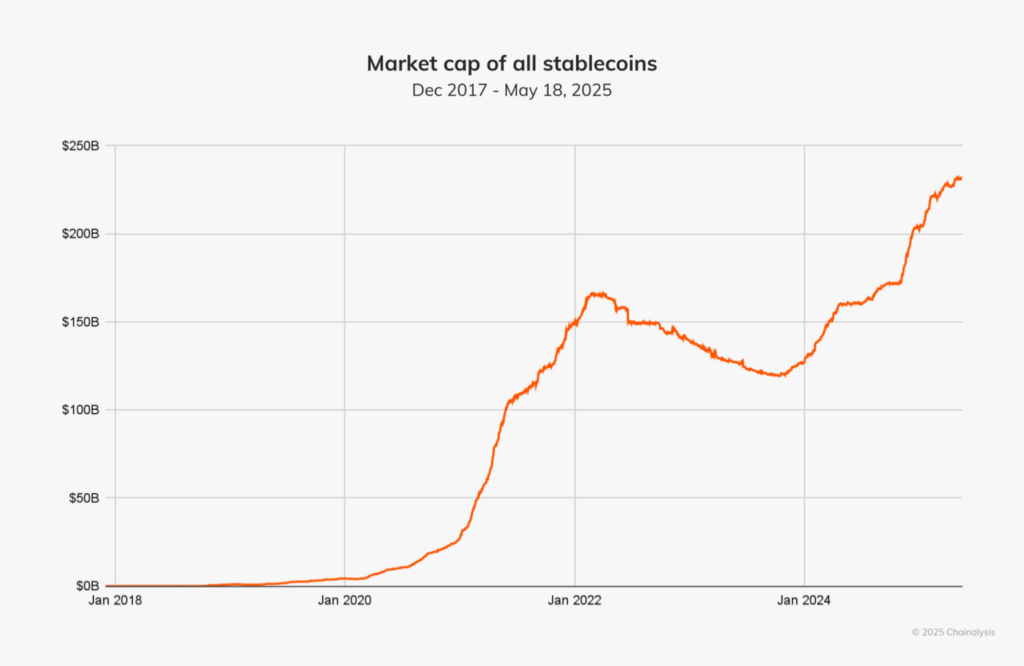
The Trojan Horse for Private Money
This is not an innovation: it is a “hostile takeover” of the money supply. Without anything resembling serious regulation, stablecoins are neither stable nor simply an alternative payment option to dollars. They are a “Trojan Horse” for the privatization of money.
The European Central Bank sees the danger. If securities migrate to the blockchain, with bonds, stocks and derivatives becoming tokens, then digital clearing of transactions must follow. The ECB’s solution is a “euro token,” ensuring that public money remains the foundation of the financial system.
So far, the ECB has faced resistance to this plan from German and French private banks. Now, the ECB has another, bigger headache: the United States is running in the opposite direction. By banning CBDCs and greenlighting stablecoins, the Trump team isn’t just rejecting public digital money. It’s handing the dollar’s privileged status over to the darkest forces within Big Tech.
The irony is stark – he notes – The same liberals who are protesting the government are now begging the government to anoint their stablecoins as the de facto official currency.

Worse, they require access to the Federal Reserve’s balance sheet, allowing private issuers to back their tokens with central bank reserves.
Imagine a world where Tether, Circle, or some Elon Musk-backed “X Token” enjoys the implicit backing of the U.S. Treasury while operating outside of banking regulations.
This isn’t just regulatory arbitrage, it’s the monetary feudalism of the new monetary middle ages. It’s a reminder that nineteenth-century America was a monetary dystopia.
With thousands of rogue banks issuing private paper money, frequent financial panics led the public, and especially the working class, to hold worthless paper money.
Even JP Morgan was so terrified and felt so threatened that it decided to pressure the federal government and other bankers to establish the Federal Reserve as a public institution with the responsibility of stabilizing money. Now, the US is backing down — and dragging the rest of the world with it.
In a stunning reversal of reality, Trump’s January 23 executive order on Strengthening American Leadership in Digital Financial Technology designates dollar-backed stablecoins as means to “promote and protect the sovereignty of the dollar.”
But the GENIUS Act (whose final draft has yet to be made public) is a formula for unleashing a digital age of “wild” cryptocurrencies, where stablecoins — pegged to the dollar but controlled by private entities — flood the global economy with digital pseudo-dollars.
Private stablecoins have no chance of maintaining their token peg to the dollar once they receive official federal approval and the currency bubble bursts.
Even if countries abandon the dollar, they will remain trapped in its digital shadow. Europe is struggling to catch up. The ECB, recognizing the existential threat, is accelerating the process – but it will likely be caught up in the process.
