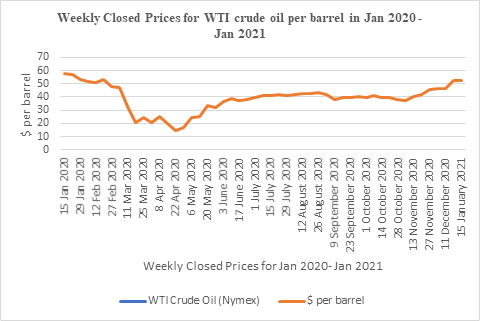
Given that the Covid-19 pandemic caused the cessation of all kinds of travel, it made sense that demand for oil would drastically reduce during the pandemic (2020). But other commodities have had particularly good returns over the past year.
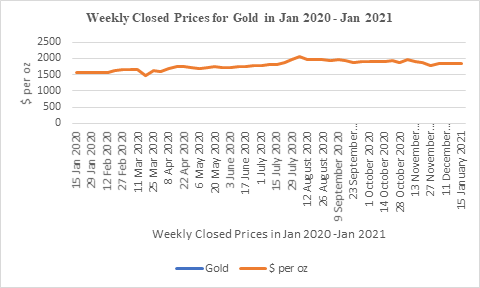
Low interest rates have made priceless metals such as gold valuable and incredibly attractive, passing $2000 an ounce in 2020. Total volume of commodities exceeded $640bn in December. The question now openly asked is how long it will take for the oil price to recover to 2019 levels and how high the prices of other commodities will move.
by Thanos S. Chonthrogiannis
©The law of intellectual property is prohibited in any way unlawful use/appropriation of this article, with heavy civil and criminal penalties for the infringer.
But this depends on specific factors such as China, which has always been the main importer of commodities in previous years, while also building large strategic reserves in many of them (iron, copper, gold, oil) to use them in specific projects in specific industries (wheat, soyabeans, pork).
Given the intensity of the US-China trade war, China will continue to import raw materials and commodities.
On the other hand, this supply side will be limited globally, as the pandemic has closed many mines around the world, resulting in production reaching low levels, indicating that the prices of certain raw materials will continue to rise given the now rigid demand.
At the same time many countries have adopted tariffs on many of their agricultural products for export. Countries such as Argentina, Russia, etc.
Saudi Arabia will limit its oil production. At the same time, however, demand for transport and travel will soar due to global vaccination. Monetary policies such as the ECB and the Fed will continue, which means supporting economic activity and increasing product consumption.
So, if loose monetary policies continue from the FED, the $ is expected to be downgraded and products priced in $ will become cheaper resulting in demand for products and commodities increasing further, ejecting commodity prices even higher.
The fact that the West’s largest economies will begin, at the end of the pandemic, to synchronize their economic activity towards a new growth cycle, the demand for commodities will further eject their prices.
